
Emergency Backup Lighting Explained: Why Every Home Needs Reliable Lighting During Power Outages
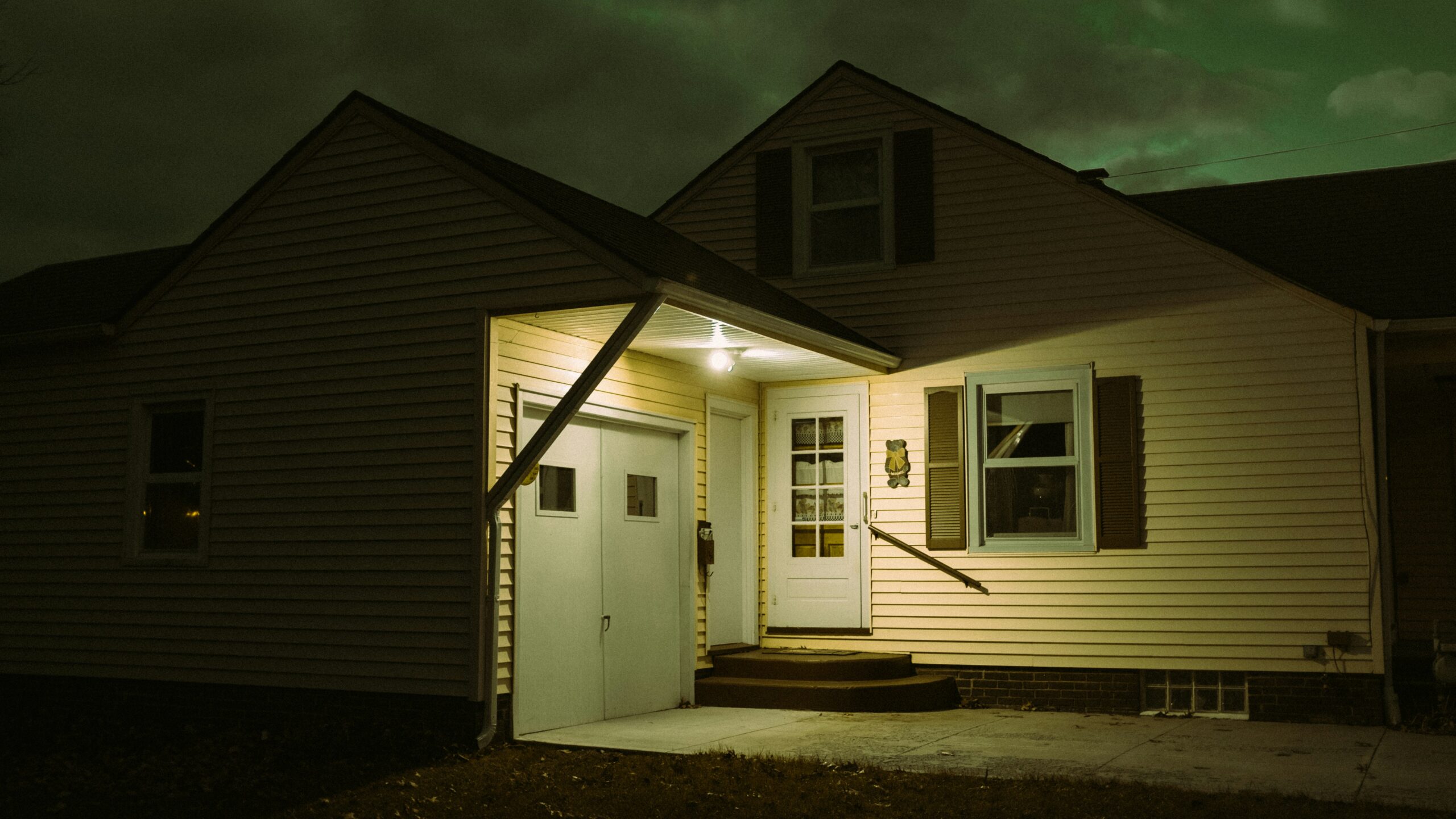
When the power goes out, darkness is often the first problem you notice.
Whether an outage lasts a few minutes or several hours, losing your normal lighting can instantly make everyday spaces harder—and potentially more dangerous—to navigate. Stairs become difficult to see. Hallways go dark. Finding a flashlight suddenly becomes a priority. And if an outage happens overnight, family members may wake up without knowing where to go or what caused the power loss.
That’s why emergency backup lighting should be an important part of every household’s power-outage preparedness plan.
Solutions like briteOwl from Owl Power Solutions are designed to make reliable backup lighting simple—providing light right where you need it when normal power is interrupted.
What Is Emergency Backup Lighting?
Emergency backup lighting is lighting designed to remain available—or automatically activate—when a building loses normal electrical power.
Traditional home lighting depends on the electrical grid. When utility power is interrupted, those lights stop working unless the home has another source of power.
Backup lighting solves this problem by incorporating an independent power source, typically a rechargeable battery. When an outage occurs, the backup light can continue providing illumination even though the outlet or electrical circuit is no longer receiving power.
Some solutions require homeowners to manually turn them on. Others, including briteOwl, are designed to provide backup illumination when normal power is lost, so you’re not left searching for a flashlight in the dark.
Why Backup Lighting Matters
A power outage is more than an inconvenience. It can quickly create safety challenges inside a home.
Without adequate lighting, people may have difficulty navigating stairs, locating children or pets, checking electrical panels, finding emergency supplies, or moving safely through hallways and rooms.
The risk can be especially significant for older adults, young children, or anyone with mobility limitations.
Backup lighting provides a simple layer of preparedness by ensuring that when normal lighting disappears, your ability to see doesn’t disappear with it.
Reliable emergency lighting can help reduce the risk of trips and falls, illuminate stairs and hallways, help family members navigate the home, provide visibility near electrical panels and utility areas, make emergency supplies easier to locate, and reduce dependence on phones and handheld flashlights.
The goal is simple: when the power goes out, you shouldn’t have to search for a light source.
Common Causes of Emergency Lighting Failures
Having emergency lighting is helpful—but only if it works when you actually need it.
One of the biggest challenges with traditional emergency lighting is maintenance. Batteries can lose capacity over time, flashlights can be moved from their designated location, and stored batteries may be dead when an outage occurs.
Common problems include dead or depleted batteries, poorly maintained rechargeable lights, flashlights being stored somewhere other than where they’re needed, and emergency lights that require manual activation.
There’s also the problem of relying on a single light source. One flashlight or lantern may be useful, but it doesn’t provide illumination throughout the home.
That’s one reason outlet-mounted solutions such as briteOwl can be a useful addition to an emergency preparedness plan. Backup lighting can remain positioned in the areas where you’ll actually need it rather than being stored away until an emergency occurs.
Benefits of Outlet-Mounted Backup Lights
Outlet-mounted backup lights offer an especially convenient solution for residential emergency lighting because they can remain plugged in and ready for use.
Rather than storing a flashlight in a drawer and hoping its batteries are charged, an outlet-mounted light can remain in a strategic location throughout the year.
briteOwl was designed around this idea: make emergency lighting readily available in the places where darkness can become a problem during a power outage.
Depending on the product and its features, outlet-mounted backup lighting can offer advantages such as automatic response to a power loss, rechargeable battery backup, convenient placement using existing outlets, and immediate illumination without the need to search for another light source.
This approach transforms emergency lighting from something you have to remember to find into something that is already part of the home.
Where Should You Install Backup Lighting?
The best emergency lighting plan focuses on the routes and locations people are most likely to use during a power outage.
Start with areas where darkness could create an immediate safety risk.
Stairways: Stairs can become particularly hazardous when lighting disappears unexpectedly. Backup illumination near stairways can make them easier to navigate.
Hallways: Hallways often connect bedrooms to bathrooms, exits, kitchens, and other essential areas. Backup lighting can create a visible pathway through the home.
Bedrooms: If an outage happens while everyone is sleeping, nearby backup lighting can provide immediate visibility and help family members orient themselves.
Kitchens: The kitchen may contain emergency supplies, food, water, flashlights, and other necessities that need to remain accessible.
Entryways and exits: Illuminating routes to exterior doors can make it easier to safely leave the home if necessary.
Electrical panels and utility areas: If you need to check a breaker or electrical panel, having backup lighting nearby eliminates the challenge of working in complete darkness.
Basements: Basements often have limited natural light, making them particularly dark during a power outage.
Because briteOwl uses an outlet-mounted design, homeowners can strategically place units throughout these important areas rather than depending on one central emergency light.
A good way to plan your placement is to imagine the path you would need to take through your home at 2:00 a.m. with every light suddenly turned off. Those are the areas where backup lighting can provide the greatest value.
Home vs. Commercial Emergency Lighting
Emergency lighting is important in both residential and commercial environments, but the requirements and applications can be very different.
Commercial buildings typically have emergency lighting systems designed to support occupant evacuation and meet applicable building, fire, and life-safety codes. These systems may include illuminated exit signs, emergency fixtures, battery backup systems, and generators.
Residential backup lighting is generally more focused on household preparedness and safe navigation during outages.
For homeowners, priorities often include hallways, staircases, bedrooms, kitchens, basements, garages, electrical panels, and main exits.
Homes don’t need to feel like commercial buildings to benefit from a thoughtful emergency lighting strategy. Compact solutions such as briteOwl can provide strategically placed backup lighting while fitting naturally into the home.
Choosing the Right Backup Lighting Solution
Not all emergency lights provide the same level of convenience or reliability.
When evaluating backup lighting for your home, consider how the product will actually function when the power goes out.
Look at features such as outage response, rechargeable battery backup, runtime, brightness, ease of installation, and the ability to place multiple lights throughout important areas of the home.
Convenience matters too. An emergency solution shouldn’t create another task you have to remember.
That’s part of the thinking behind briteOwl from Owl Power Solutions: emergency lighting should be positioned where you need it and ready when the power goes out.
Instead of relying entirely on a flashlight stored in a drawer or a phone that may already have a low battery, strategically placed backup lights can give your home an additional layer of preparedness.
Prepare Before the Lights Go Out
Power outages don’t usually come with much warning.
Severe weather, equipment failures, grid disruptions, vehicle accidents, planned utility shutoffs, and other events can interrupt electricity with little or no notice.
You may not be able to control when an outage happens, but you can control how prepared your home is when it does.
Food, water, communication devices, batteries, and backup power all have an important place in an emergency plan. Reliable lighting should be part of that plan too.
Products like briteOwl make it easier to incorporate backup lighting into the home before an outage happens, so when normal lighting disappears, you’re not starting your emergency response in the dark.
Reliable Light When You Need It Most
Emergency preparedness isn’t only about supplies stored away for a major disaster. It’s also about making your home more resilient during everyday disruptions.
Emergency backup lighting is one of the simplest ways to do that.
With briteOwl from Owl Power Solutions, homeowners can add strategically placed backup lighting to the areas that matter most, helping provide visibility when normal power is unavailable.
Because when the power goes out, reliable light shouldn’t be something you have to look for.
It should already be there.