
The Complete Guide to Power Outages and Blackouts Causes, Duration, and How to Prepare
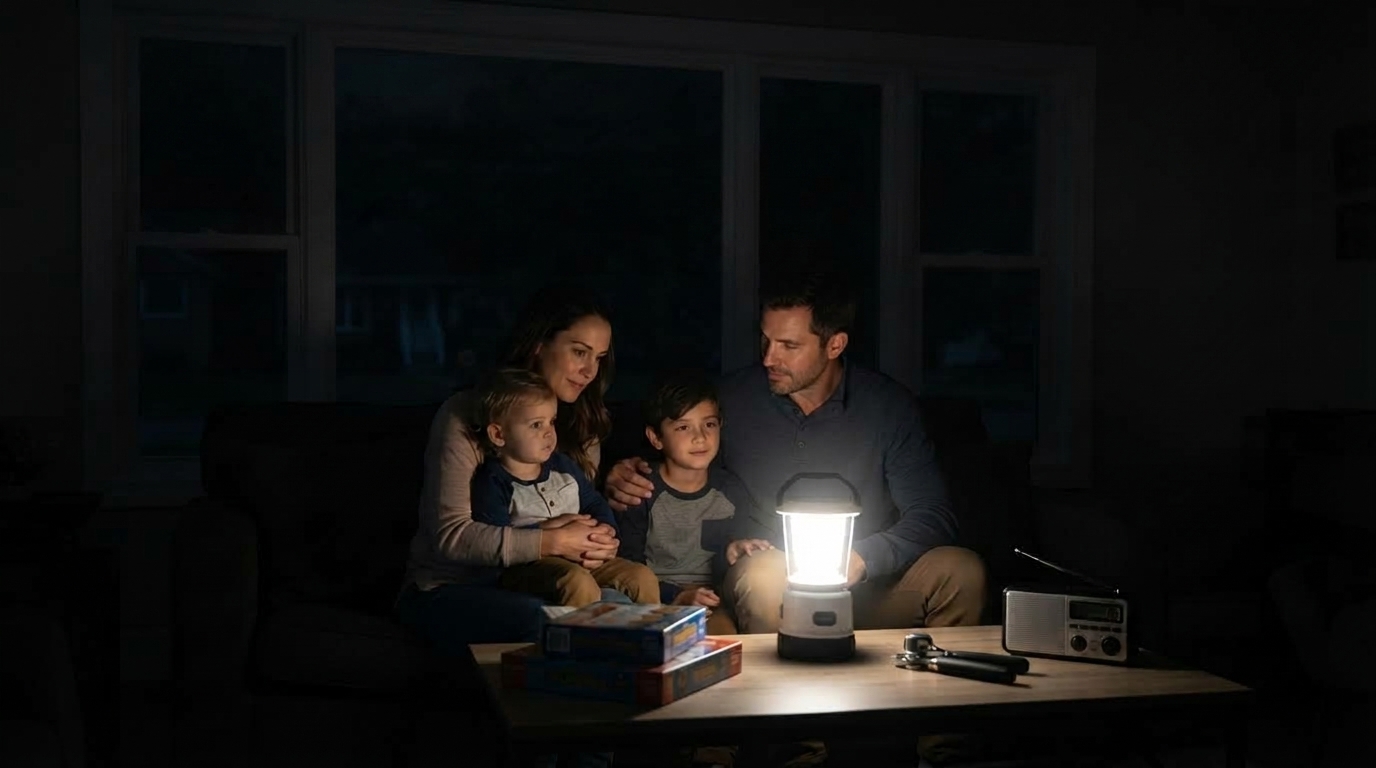
Power outages can happen with little warning. A severe storm moves through, equipment fails, extreme temperatures strain the electrical grid, or an accident damages a power line—and suddenly, the lights are out.
While some outages last only a few minutes, others can continue for hours or even days. Understanding why outages happen, what to expect when the power goes out, and how to prepare can make a significant difference in keeping your home and family safe.
One often-overlooked part of that preparation is reliable backup lighting. When the power goes out after dark, having immediate, dependable light can help you move safely through your home, locate emergency supplies, care for family members, and respond to unexpected situations.
What Is a Power Outage?
A power outage is a temporary loss of electrical power to a home, business, neighborhood, or larger geographic area.
Outages can be extremely localized—such as when a damaged transformer affects a few homes—or widespread enough to impact thousands or even millions of customers.
Depending on the cause, power may be restored within minutes or remain unavailable for an extended period.
What Is a Blackout?
A blackout generally refers to a complete loss of electrical power in a particular area.
Although the terms “power outage” and “blackout” are often used interchangeably, blackout typically describes a more significant or widespread loss of electricity rather than a brief interruption or localized electrical issue.
During a blackout, homes, businesses, streetlights, traffic signals, and other electrically powered systems may stop functioning unless they have backup power.
What Is a Rolling Blackout?
A rolling blackout, sometimes called a rotating outage, is an intentional temporary interruption of electrical service.
Utilities may use rolling blackouts when electricity demand exceeds available supply or when temporarily reducing demand is necessary to protect the stability of the electrical grid.
Instead of allowing an uncontrolled, widespread grid failure, electricity may be temporarily shut off to different areas on a rotating basis.
Because these outages are controlled, they are generally shorter and more predictable than outages caused by major storms or infrastructure damage. However, they can still create significant disruptions—especially when they happen during extreme temperatures or after dark.
What Causes Power Outages?
There isn’t one single cause of power outages. America’s electrical infrastructure is affected by weather, equipment, accidents, natural disasters, vegetation, animals, and changing electricity demand.
Some of the most common causes include:
- Severe weather: Thunderstorms, high winds, hurricanes, tornadoes, ice storms, and heavy snow can damage electrical infrastructure.
- Fallen trees and branches: High winds, ice, or saturated ground can cause trees to fall onto power lines.
- Extreme heat: High temperatures can increase electricity demand as homes and businesses rely heavily on air conditioning.
- Winter weather: Snow and ice can weigh down power lines, damage equipment, and make repairs more difficult.
- Equipment failure: Transformers, substations, power lines, and other components can malfunction or wear out.
- Vehicle accidents: Cars and trucks can strike utility poles or other electrical infrastructure.
- Wildfires: Fires can directly damage electrical infrastructure, while utilities may also shut off power in some areas when wildfire conditions create significant risk.
- Animals: Squirrels, birds, snakes, and other animals can occasionally interfere with electrical equipment.
- Natural disasters: Earthquakes, floods, hurricanes, tornadoes, and other disasters can cause widespread infrastructure damage.
Some outages are resolved quickly. Others require crews to remove debris, replace poles, repair transmission or distribution equipment, or wait until conditions are safe enough for repairs to begin.
What Causes Rolling Blackouts?
Rolling blackouts usually occur because the electrical grid is experiencing an imbalance between electricity supply and demand.
Electricity must essentially be produced as it is consumed. When demand becomes too high relative to available generation and transmission capacity, grid operators may need to reduce the amount of electricity being used.
This can happen during periods such as:
Extreme heat: Millions of air-conditioning systems running simultaneously can significantly increase electricity demand.
Extreme cold: Electric heating can create unusually high demand in regions experiencing severe winter weather.
Generation shortages: Power plants may be unavailable because of mechanical problems, fuel shortages, maintenance, or other disruptions.
Transmission constraints: Electricity may be available but unable to reach areas where it is needed because of limitations or failures elsewhere on the grid.
Controlled outages can reduce stress on the electrical system and help prevent a larger, uncontrolled failure.
How Long Do Power Outages Usually Last?
There is no universal length for a power outage.
A small outage caused by a minor equipment problem might last only a few minutes. A damaged transformer or utility pole could take several hours to repair. After a hurricane, wildfire, ice storm, or other major disaster, some customers may remain without electricity for days or longer.
Several factors affect restoration time, including:
- The cause and severity of the outage
- The number of customers affected
- The amount of infrastructure damage
- Weather and road conditions
- Accessibility of damaged equipment
- Availability of repair crews and replacement equipment
Utilities generally prioritize hazards and critical infrastructure before restoring service to smaller groups of individual customers.
Because the duration of an unexpected outage can’t always be predicted, households should prepare for more than a short interruption.
How Long Do Rolling Blackouts Last?
Rolling blackouts are designed to be temporary.
The exact duration varies depending on the utility, grid conditions, and severity of the electricity shortage. An individual interruption may last from several minutes to a few hours, although conditions can vary considerably.
Power can also be interrupted more than once if emergency grid conditions continue.
If your utility announces the possibility of rolling outages, take advantage of the advance warning. Charge phones and battery packs, locate emergency supplies, prepare backup lighting, and make plans for any household members who depend on electrically powered equipment.
What Happens During a Blackout?
The most obvious change is that the lights turn off—but electricity powers far more of our daily environment than lighting.
Depending on your home and the extent of the outage, you may lose access to:
- Interior and exterior lighting
- Heating or air conditioning
- Internet and Wi-Fi
- Some phone services
- Refrigerators and freezers
- Electric cooking appliances
- Garage door openers
- Security systems that don’t have battery backup
- Medical or accessibility equipment that requires electricity
- Well pumps and other electrically powered water systems
Outside the home, traffic lights, businesses, gas stations, ATMs, and other services may also be affected.
This is why outage preparation shouldn’t begin when the lights go out. The safest time to prepare is while everything is still working normally.
How to Prepare for a Power Outage
A good power outage plan doesn’t need to be complicated. Start by thinking about what your household would need if electricity disappeared tonight—and didn’t return until tomorrow or even several days later.
Keep an emergency kit somewhere that everyone in the household can easily access. Consider including:
- Flashlights and extra batteries
- Portable battery banks
- First-aid supplies
- Bottled water
- Nonperishable food
- Necessary medications
- Battery-powered or hand-crank radio
- Basic tools
- Copies of important emergency information
- Backup charging options for essential electronics
Keep phones and portable battery packs charged, particularly when severe weather is expected.
Know how to manually open your garage door, and make sure everyone in the household knows where emergency supplies are stored.
If someone in your home relies on electrically powered medical equipment, develop a specific backup plan before an outage occurs.
You should also know how you’ll receive emergency information if your Wi-Fi and home internet are unavailable.
Finally, think about lighting throughout the home—not just a flashlight sitting in a kitchen drawer.
How Backup Lighting Improves Safety During Outages
When electricity fails at night, darkness is immediate.
That can create a surprisingly serious safety problem.
Walking through dark hallways, navigating stairs, finding children or pets, locating emergency supplies, checking a breaker panel, or leaving the home safely becomes more difficult without adequate lighting.
A phone flashlight can help temporarily, but phones have limited battery life and are often one of your most important communication tools during an emergency. Conserving that battery can become increasingly important during a prolonged outage.
Candles also aren’t an ideal primary emergency-lighting solution because open flames introduce additional fire risk.
A dedicated backup lighting system provides another layer of preparedness.
Strategically placed emergency lighting can help illuminate:
- Hallways
- Staircases
- Bedrooms
- Bathrooms
- Kitchens
- Basements
- Garages
- Electrical panels
- Emergency supply areas
- Primary exit routes
The goal isn’t simply to make a dark house more comfortable. It’s to make sure that when normal lighting disappears, you can still see well enough to safely respond.
Backup lighting is especially valuable during severe weather and natural disasters, when an outage may occur at the same time your household needs to react to another emergency.
When building your family’s emergency plan, think beyond food, water, and batteries. Ask a simple question:
If the power went out tonight, how quickly could everyone in your home safely see where they were going?
If the answer depends entirely on finding a flashlight in the dark, backup lighting deserves a place in your emergency preparedness plan.
Be Ready Before the Lights Go Out
Power outages are unpredictable by nature. You may not know exactly when one will happen, why it will happen, or how long it will last.
What you can control is how prepared your household is when it does.
Food, water, communication, charging options, first-aid supplies, and emergency plans all matter. Reliable backup lighting should be part of that conversation, too.
Because when the power goes out, being prepared shouldn’t mean being left in the dark.
- The Complete Guide to Power Outages and Blackouts Causes, Duration, and How to Prepare - September 21, 2026
- Summer Weather Is Changing. Is Your Family Ready? - July 15, 2026
- Aging in Place Starts With Safety: Why Lighting Matters More Than Ever - June 12, 2026